Minimalist Standing Lamp: Perfect for Scandinavian Decor
Thinking about a minimalist standing lamp for your Scandinavian-inspired home? You’re onto something great. These lamps aren’t just sources of light; they’re quiet statements of style, perfectly fitting that clean, functional, and cozy vibe that Scandinavian design is all about. They blend in beautifully without demanding attention, yet their presence adds so much to a room.
What Makes a Lamp “Minimalist”?
When we talk about minimalist standing lamps, we’re referring to fixtures that strip away all the unnecessary frills. Think clean lines, simple shapes, and a focus on functionality. There are no ornate carvings, no flashy colors, and usually, a limited material palette. The goal is for the lamp to blend seamlessly into the space, providing light Lamolighting without visually cluttering it.
The Scandinavian Connection
Scandinavian design, with its emphasis on simplicity, functionality, and natural elements, is the perfect playground for minimalist lighting. Think of Swedish, Danish, and Norwegian aesthetics: open-plan living, light wood tones, neutral color palettes, and a deep appreciation for natural light. A minimalist standing lamp embodies these principles, acting as a functional art piece that enhances the overall serene and uncluttered atmosphere.
Okay, so you’ve decided a minimalist standing lamp is the way to go for your Scandinavian space. That’s smart! But with so many options out there, how do you pick the right one? It’s not just about grabbing the first simple lamp you see. Let’s break down some key considerations to help you find a lamp that’s both beautiful and practical.
Form and Function: The Dual Focus
Minimalist design is all about doing more with less. This applies directly to standing lamps. You’re not just looking for something that looks good; it needs to do good, too.
Simplicity in Silhouette
The shape of your lamp is arguably the most important visual element. For Scandinavian decor, you generally want to lean towards straightforward geometric forms. Think clean cylinders, slender poles, and simple, elegant bases.
- Straight Lines: Lamps with long, straight poles are a classic choice. They draw the eye upward and add a sense of verticality to the room, which can make a space feel larger.
- Curved Simplicity: Don’t rule out gentle curves. A lamp with a subtly arched arm or a softly rounded shade can still be minimalist, especially if the overall design is uncluttered and the materials are natural. The key is that the curve serves a purpose, perhaps directing light or creating a softer aesthetic.
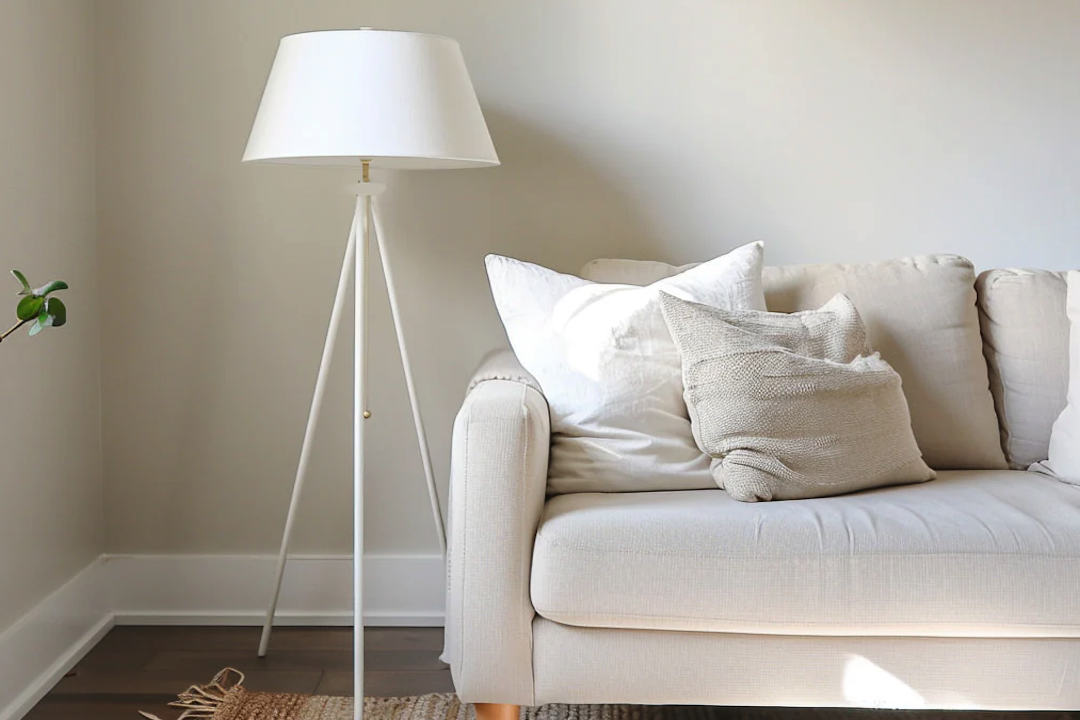
- Geometric Play: Consider lamps that incorporate elegant geometric shapes. A tripod base made of simple, intersecting lines, or a shade that’s a perfect cylinder or a clean cone, can be very effective without being fussy.
Purpose-Driven Design
A minimalist lamp shouldn’t just exist; it should serve its purpose efficiently and effectively.
- Task Lighting: If you’re looking for a lamp to place next to your reading chair or a desk, consider an arc lamp. The extended arm allows you to position the light exactly where you need it without needing to move the entire lamp. This is peak minimalist functionality.
- Ambient Lighting: For general room illumination, a floor lamp with an upward-facing shade can bounce light off the ceiling, creating a soft, diffused glow. This is perfect for creating that inviting, hygge atmosphere.
- Adjustability: Some minimalist lamps offer adjustable heights or heads. This is a fantastic feature that allows you to customize the light output and direction, making the lamp more versatile and useful.
Material Matters: Embracing Natural Textures
Scandinavian design heavily favors natural materials. When choosing your minimalist standing lamp, look for options that incorporate these elements. This adds warmth and texture, preventing a minimalist space from feeling sterile.
Wood and Its Variations
Wood is a cornerstone of Scandinavian design, and it looks fantastic in floor lamps.
- Light Woods: Think beech, ash, or birch. These pale woods complement the light and airy feel of Scandinavian interiors beautifully. They can be used for the pole, the base, or even as accent details on the shade.
- Darker Accents: While light woods are common, don’t shy away from subtle darker wood accents. A lamp with a light-colored pole and a darker wood base can add a touch of sophistication and depth.
- Painted Wood: Sometimes, a matte white or black painted wooden lamp can also fit the minimalist aesthetic, especially if the form is particularly sleek.
Metals with a Muted Finish
Metal can also play a role, but the finish is crucial for maintaining that minimalist, Scandinavian feel.
- Matte Black: This is a perennial favorite for a reason. A matte black metal lamp is incredibly versatile, offering a sharp, graphic contrast that still feels understated.
- Brushed Nickel or Steel: These finishes offer a subtle sheen that’s much softer than polished chrome. They add a touch of modern elegance without being overpowering.
- Brass (Subtly Used): While not as dominant as in some other styles, a touch of brushed or aged brass can add warmth and a hint of vintage charm. It’s best used as an accent, perhaps on the lamp’s arm or base, rather than being the dominant material.
Fabric Elements for Softness
While metal and wood often form the structure, fabric shades are where you can introduce a touch of softness.
- Linen: A natural linen shade is practically quintessential for Scandinavian design. It diffuses light beautifully, creating a warm and inviting glow.
- Textured Cotton: Opt for cotton fabrics with a subtle weave or texture. Avoid anything too shiny or synthetic-looking.
- Neutral Tones: Keep the fabric shades in neutral colors – white, off-white, light grey, or even a very pale beige.
Light Quality: Beyond Brightness
It’s not just about how much light a lamp provides, but what kind of light it offers. In Scandinavian design, this is crucial for creating a cozy and inviting atmosphere.
Diffused Light is Key
Harsh, direct light is rarely what you’re aiming for. The goal is usually a soft, diffused illumination.
- Opaque Shades: Lamps with opaque shades, whether fabric or metal, will naturally diffuse the light, scattering it around the room for a softer effect.
- Frosted Glass: Some minimalist lamps feature frosted glass elements, which effectively soften any glare and create a gentle light.
- Upward Illumination: As mentioned before, lamps designed to direct light upwards are excellent for creating ambient light that bounces off the ceiling, softening the overall illumination.
Warm Color Temperature
The color temperature of the bulb—measured in Kelvin (K)—plays a huge role in the mood of a room.
- Warm White (2700K-3000K): This is the sweet spot for creating a cozy, inviting atmosphere. It’s akin to candlelight or the warm glow of a fireplace, perfect for Scandinavian hygge. Avoid cooler, bluer tones like 4000K or higher, as they can feel too clinical.
- Dimmable Options: If your lamp is dimmable, you have even more control over the mood. This is incredibly useful for transitioning from task lighting to a soft evening glow.
Scale and Proportion: Fitting the Space
Even the most beautiful minimalist lamp can disrupt a room if it’s the wrong size. Getting the scale and proportion right is essential.
Considering Room Size and Ceiling Height
A massive arc lamp might look impressive in a vast loft, but it could overwhelm a smaller apartment.
- Small to Medium Rooms: For tighter spaces, opt for sleeker, more slender floor lamps. A simple pole lamp with a compact base might be ideal. Avoid overly wide shades or lamps with large, bulky bases.
- Larger Rooms and High Ceilings: In more expansive areas, you have more leeway. A larger arc lamp or a lamp with a more substantial presence can work well. Ensure the lamp doesn’t get lost in the space. A taller lamp can help fill vertical space and draw the eye upwards.
- Ceiling Height: Pay attention to where the shade sits in relation to your eye level or the tops of furniture. A lamp that’s too short under a high ceiling can look awkward.
Relationship to Furniture
The lamp’s placement and size should complement the furniture around it.
- Reading Nooks: If the lamp is for reading, ensure the shade can be positioned over your shoulder or the book without being too far away or too high.
- Living Areas: In a living room, a floor lamp might sit beside a sofa or armchair. Its height should be proportionate to the sofa’s back or the height of a side table. The shade should ideally be at a comfortable height for conversation or general viewing.
Beyond the Basics: Advanced Considerations
Once you’ve got the fundamental elements covered, there are a few extra things to think about that can really elevate your choice of a minimalist standing lamp for your Scandinavian space. These are the little details that make a big difference.
The Power of the Base
The base of a standing lamp is its foundation, and in minimalist design, it’s often more important than it might seem at first glance. It’s the visual anchor of the entire fixture.
Sleek and Unobtrusive Bases
The ideal base for a Scandinavian minimalist lamp is one that doesn’t draw undue attention.
- Disc or Plate Bases: A simple, flat disc or a slightly weighted plate is a very common and effective design. It provides stability without looking heavy or chunky.
- Tripod or Quad Pod Bases: Legs that splay out can add a very modern, sculptural touch. The key is that the legs themselves are slender and clean, not bulky.
- Integrated Bases: Some lamps have bases that are integrated into the pole’s design, creating a continuous, flowing line. This is the ultimate in minimalist integration.
Material and Finish Combinations
The material of the base should harmonize with the rest of the lamp and your room.
- Matching Materials: Often, the base will be made of the same material as the pole – be it wood or metal. This creates a cohesive look.
- Contrasting but Harmonious: Sometimes, a slight contrast in material can be impactful. For example, a dark metal base might complement a lighter wood pole, grounding the design.
- Avoid Overly Shiny Finishes: As mentioned before, polished chrome or highly reflective finishes are generally not ideal for Scandinavian minimalism. Matte, brushed, or satin finishes are much preferred.
The Arm and Neck: Directing the Light
The arm and neck of a standing lamp are where the magic of light placement happens. In minimalist designs, these elements are crucial for both form and function.
Functional Artistry
The way the arm is shaped often defines the lamp’s character.
- Arc Lamps: These are the champions of task lighting. Their graceful curves allow you to position the light precisely where you need it, often extending over a sofa or chair. The curve itself becomes a design element.
- Straight or Slightly Curved Necks: Many simpler floor lamps have a straight pole that extends into a smaller neck to hold the shade. A subtle bend here can allow for some adjustment, but the overall look remains very clean.
- Adjustable Joints: If you’re looking for flexibility, lamps with visible but well-designed adjustable joints can be very practical. These are often simple thumbscrews or swivel mechanisms that allow you to articulate the light head.
Supporting the Shade
The arm’s primary job, besides directing light, is to securely hold the shade.
- Proportionate Design: The arm should be proportionate to the shade it supports. An overly thin arm holding a very large shade can look unbalanced.
- Clean Integration: The connection between the arm and the shade should be seamless. Avoid visible wiring or bulky mounting hardware where possible.
The Shade: More Than Just a Cover
While the shade is often where you find the most fabric, its shape and how it interacts with the light are critical in a minimalist context.
Simple Geometries
As with the base and pole, the shade’s form should be straightforward.
- Cylindrical Shades: These are timeless and incredibly versatile. They work well with almost any pole design.
- Conical Shades: A gentle cone shape provides a slightly more traditional feel while remaining clean and uncluttered.
- Drum Shades: Similar to cylinders but with slightly flattened ends, drum shades offer a soft, rounded aesthetic.
Material and Light Diffusion
The material of the shade dictates how the light is cast.
- Linen and Cotton Fabrics: The go-to choices for their natural texture and ability to diffuse light softly. Look for tightly woven fabrics to avoid harsh shadows.
- Opaque Metal Shades: These can create a very directed pool of light, ideal for task lighting. They can also be designed with perforations to create subtle patterns.
- Glass Shades (Frosted or Opal): When glass is used, it’s almost always frosted or opalized to soften the light and prevent glare.
Cord Management: The Unseen Detail
In minimalist design, everything has its place, and that includes the power cord. A visible, tangled cord can ruin the clean aesthetic.
Integrated and Hidden Cords
The best minimalist lamps have thoughtfully designed cord management.
- Internal Routing: Many lamps are designed to route the power cord internally through the pole. You’ll see the cord emerge discreetly from the base.
- Coordinated Cords: If the cord is visible, look for ones that are a neutral color (like grey, white, or black) that blend with the lamp or the wall. Some higher-end options might even offer fabric-covered cords in coordinating colors.
Practical Placement
Think about where the cord will emerge from the lamp and where it will run to the outlet.
- Base Exit Point: The point where the cord exits the base is important. A cleanly routed exit is usually best.
- Floor-Level Management: Consider using cord clips or covers to keep the cord neat against the wall or floor if it needs to run a significant distance. This might seem like a small detail, but it makes a big difference to the overall tidy appearance.
Integrating Your Lamp into Scandinavian Decor
So you’ve picked out the perfect minimalist standing lamp. Now, how do you make sure it fits seamlessly into your Scandinavian-inspired space? It’s not just about placing it randomly; it’s about thoughtful integration.
Creating Cozy “Hygge” Corners
Scandinavian design is all about hygge – that feeling of cozy contentment and well-being. A well-placed standing lamp is crucial for this.
The Reading Nook Enhancement
This is perhaps the most classic use for a standing lamp.
- Strategic Placement: Position the lamp next to your favorite armchair or a small sofa in a corner. Ensure the light can fall directly onto your reading material.
- Warm Light Focus: Use a bulb with a warm color temperature (around 2700K) to create an inviting glow that encourages relaxation.
- Add Textiles: Drape a soft throw blanket over the chair and place a small side table with a cup of tea nearby. The lamp becomes the focal point of this cozy sanctuary.
Ambient Lighting for Atmosphere
Beyond direct tasks, standing lamps are excellent for setting a mood.
- Soft, Diffused Illumination: If your lamp has an upward-facing shade or a fabric shade that diffuses light, it’s perfect for general ambient lighting.
- Corner Accent: Place a lamp in a dimmer corner of the room to add depth and prevent it from feeling too stark. It can highlight a plant or a piece of art.
- Layered Lighting: This lamp shouldn’t be your only light source. Combine it with overhead lighting (if used) and perhaps some smaller table lamps to create a dynamic and inviting lighting scheme.
Working with Existing Elements
Your new lamp needs to play well with the other pieces in your room.
Complementing Furniture Styles
Scandinavian furniture is typically characterized by clean lines, light wood tones, and functional forms.
- Match Wood Tones: If your lamp has wood elements, try to find wood tones that complement the wood in your existing furniture. This doesn’t mean they have to be identical, but they should harmonize.
- Contrast with Clean Lines: A minimalist metal lamp can provide a nice contrast to wooden furniture, adding a touch of modern graphic interest.
- Proportion is Key: As discussed earlier, ensure the lamp’s scale is appropriate. A lamp that’s too tall or too wide can overwhelm smaller pieces of furniture.
Harmonizing with Color Palettes
Scandinavian interiors often feature a neutral color palette, with accents of muted colors.
- Neutral Tones: A lamp in black, white, grey, or natural wood will blend effortlessly with most Scandinavian color schemes.
- Subtle Color Accents: If your lamp has muted color accents, consider picking those colors up elsewhere in the room through cushions, art, or small decorative objects.
- Avoid Bold or Trendy Colors: While you can have pops of color in Scandinavian decor, a minimalist standing lamp is generally best kept neutral. Let the lamp be a sophisticated backdrop, not a statement piece demanding attention with color.
Beyond the Living Room
Don’t limit your thinking to just the living area. Minimalist standing lamps can enhance other spaces too.
Bedroom Serenity
- Beside the Bed: A slender standing lamp can replace traditional bedside lamps, offering a cleaner look and freeing up surface space on your nightstand. Ensure the light is adjustable for reading without being too bright.
- Corner Reading Spot: Create a small, tranquil reading nook in your bedroom with a comfortable chair and a minimalist floor lamp.
Home Office Functionality
- Task Lighting for Desks: An arc lamp is perfect for positioning over a home office desk, providing excellent task lighting without taking up precious desk space.
- Creating a Focused Environment: A well-lit workspace is more productive. A minimalist lamp provides efficient light without visual distraction.
The Power of Placement: Where to Put It
The exact spot you choose can make or break the lamp’s impact.
Emphasizing Architectural Features
- Highlighting Corners: As mentioned, a lamp can add warmth and interest to otherwise plain corners.
- Accentuating Niches or Alcoves: Place a lamp in a built-in niche or alcove to draw attention to this architectural feature and add a cozy glow.
Creating Flow and Balance
- Filling Empty Spaces: If you have a long hallway or an awkward gap between furniture, a standing lamp can help fill that space and improve the room’s visual balance.
- Balancing Visual Weight: A taller lamp can counterbalance larger, lower pieces of furniture, creating a more harmonious composition.
Maintenance and Longevity
Even the simplest things require a little care to keep them looking their best. With a minimalist standing lamp, this is usually straightforward, which is part of the appeal. You’re not dealing with intricate mechanisms or delicate finishes.
Cleaning Your Lamp
Keeping your lamp clean ensures it continues to provide beautiful light and maintain its aesthetic.
Dusting Regularly
This is the most important and frequent task.
- Microfiber Cloth: A soft microfiber cloth is your best friend for dusting. It will pick up dust effectively without scratching surfaces.
- Gentle Strokes: Dust the pole, base, and shade with gentle, even strokes. For any crevices or detailed areas (though minimalist designs should have few), a soft brush or a cotton swab can be useful.
- Turn it Off: Always ensure the lamp is switched off and unplugged before dusting.
Dealing with Smudges and Stains
For more stubborn marks, a slightly damp cloth might be needed, but always proceed with caution.
- Wood Surfaces: For wooden parts, use a slightly damp cloth, followed immediately by a dry one. Avoid harsh cleaning chemicals, as they can damage the finish. If there are specific wood cleaners recommended by the manufacturer, use those.
- Metal Surfaces: For metal parts, a damp cloth is usually sufficient for smudges. For any minor tarnishing on brass or nickel, you might use a specialized metal polish, but always test it on an inconspicuous area first. Again, matte finishes are more forgiving than highly polished ones.
- Fabric Shades: For fabric shades, check the manufacturer’s instructions. Often, light dusting is all that’s needed. For light smudges, you might try dabbing very gently with a cloth slightly dampened with water and mild soap, but be very careful not to saturate the fabric or cause water marks. Vacuuming with a brush attachment is often the safest bet.
Bulb Replacement and Care
Bulbs eventually need replacing, and choosing the right one is important for maintaining the lamp’s aesthetic and function.
Choosing the Right Bulb
- Wattage and Lumens: Ensure the bulb’s wattage and lumen output are appropriate for the lamp and the intended use. Higher lumens mean brighter light.
- Color Temperature: As discussed, aim for warm white bulbs (2700K-3000K) for that cozy Scandinavian feel.
- LEDs – The Smart Choice: LED bulbs are highly recommended. They are energy-efficient, long-lasting, and produce minimal heat – which is great for fabric shades. Many modern LED bulbs also offer excellent color rendering, meaning colors in your room will look natural under their light.
Safe Replacement
- Unplug First: Always, always unplug the lamp before attempting to change the bulb.
- Allow to Cool: If the old bulb was incandescent, let it cool down completely before touching it.
- Check the Socket: Ensure the new bulb fits correctly and is screwed in snugly, but don’t overtighten.
Storage and Protection
If you ever need to move or store your lamp, a little care goes a long way.
Packing for Moving
- Disassemble if Possible: If the lamp can be easily disassembled, do so. Package each part carefully.
- Wrap Well: Use bubble wrap or padded blankets to protect the pole, base, and especially the shade. Cardboard boxes are ideal for storage and transport.
- Secure the Cord: Wrap the cord neatly and secure it with a twist tie or Velcro strap to prevent tangling.
Long-Term Storage
- Dry Environment: Store the lamp in a dry, climate-controlled environment, away from extreme temperatures and humidity.
- Upright Storage: If possible, store the lamp upright to minimize stress on its components.
By following these simple maintenance tips, you can ensure your minimalist standing lamp remains a functional and beautiful part of your Scandinavian decor for years to come. It’s about treating your well-chosen items with a little respect, and in return, they’ll continue to serve you well.
The Enduring Appeal of Minimalism in Lighting
So, why are minimalist standing lamps such a perfect fit for Scandinavian decor? It boils down to a shared philosophy. Both prioritize clarity, functionality, and a sense of calm.
Simplicity as a Virtue
In a world that often feels overstimulated, the elegance of simplicity is incredibly appealing. A minimalist lamp doesn’t shout for attention; it quietly enhances the space. It allows your other decorative elements, your furniture, and the overall architecture of your room to take center stage, while providing essential light.
Timelessness Over Trends
Minimalist design, especially when rooted in Scandinavian principles, tends to be timeless. While trends come and go, clean lines and uncluttered forms remain relevant and stylish. A well-chosen minimalist standing lamp is an investment that won’t quickly feel dated. It’s a piece that can adapt as your style evolves.
Creating a Sanctuary
Ultimately, our homes are places of refuge. Scandinavian design excels at creating spaces that feel both beautiful and deeply comfortable, fostering that sense of hygge. A minimalist standing lamp, by providing warm, diffused light and fitting seamlessly into the decor, plays a crucial role in transforming a house into a serene and welcoming sanctuary. It’s a quiet but powerful contributor to the overall atmosphere, adding light, style, and a sense of peace.