Protect Your Eyes with a Bedroom Ceiling Lamp
The bedroom serves as a sanctuary for rest and rejuvenation, making the quality of its lighting a critical factor in creating an inviting atmosphere. Proper lighting not only enhances the aesthetic appeal of the space but also plays a significant role in promoting relaxation and comfort. The right lighting can help set the mood for winding down at the end of a long day, facilitating a smoother transition into sleep.
Conversely, inadequate or harsh lighting can disrupt this process, leading to increased stress and difficulty in achieving restful sleep. Moreover, the bedroom is often a multifunctional space where activities such as reading, working, or engaging in hobbies take place. Therefore, the lighting must be versatile enough to accommodate these various tasks without causing strain or discomfort.
A well-lit bedroom can enhance productivity during the day while also providing a calming environment at night. This dual functionality underscores the importance of selecting appropriate lighting solutions that cater to both relaxation and activity.
Effects of Poor Lighting on Eye Health
Poor lighting conditions can have detrimental effects on eye health, leading to a range of issues that may not be immediately apparent. Insufficient light can cause individuals to squint or strain their eyes, which over time can lead to discomfort and fatigue. This strain is often exacerbated by glare from screens or reflective surfaces, which can further contribute to visual discomfort.
Prolonged exposure to such conditions may result in symptoms like headaches, blurred vision, and even long-term vision problems. Additionally, poor lighting can disrupt the natural circadian rhythm, which is essential for maintaining overall health. Exposure to inadequate light during the day can lead to feelings of lethargy and decreased alertness, while excessive blue light exposure from screens in dimly lit environments can interfere with melatonin production at night.
This disruption can lead to sleep disorders, which in turn can have cascading effects on eye health and overall well-being. Therefore, understanding the implications of lighting on eye health is crucial for creating a conducive environment in the bedroom.
Benefits of Using a Ceiling Lamp in the Bedroom
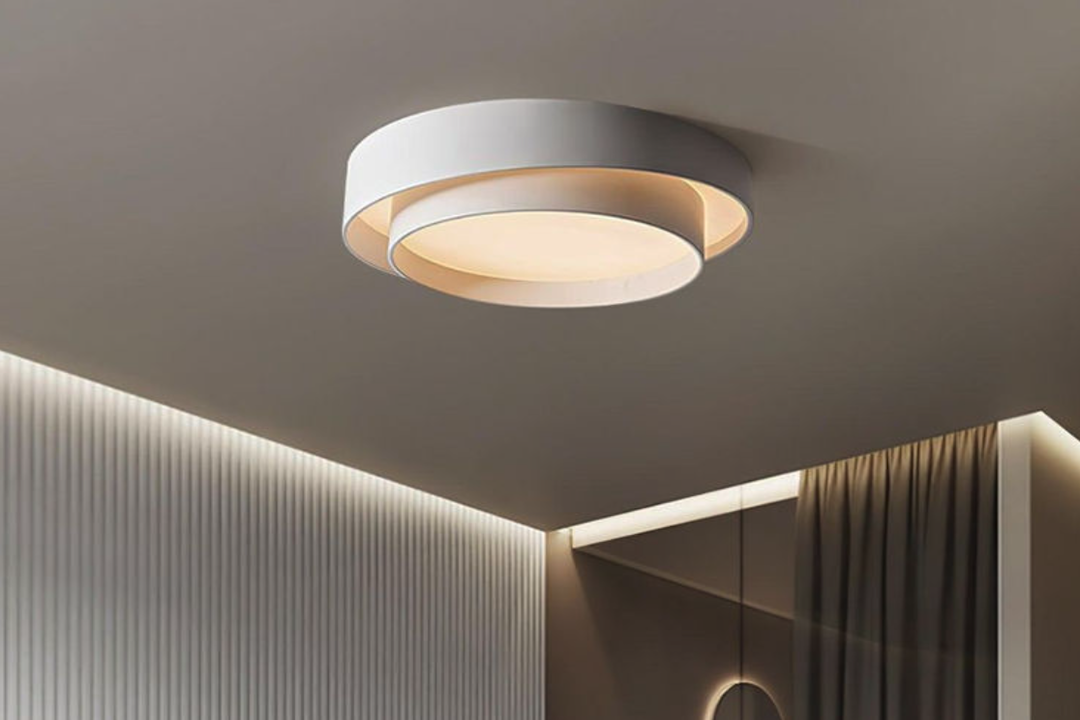
Incorporating a ceiling lamp condepot into bedroom design offers numerous advantages that extend beyond mere aesthetics. Ceiling lamps provide a centralized source of illumination that can effectively light up the entire room, ensuring that every corner is adequately lit. This is particularly beneficial for larger bedrooms where multiple light sources may be necessary to achieve uniform brightness.
A well-placed ceiling lamp can eliminate dark spots and create an inviting atmosphere that encourages relaxation. Furthermore, ceiling lamps come in a variety of styles and designs, allowing homeowners to choose fixtures that complement their decor while also serving functional purposes. For instance, modern LED ceiling lamps offer energy efficiency and longevity, reducing the need for frequent bulb replacements.
Additionally, many ceiling lamps come with adjustable brightness settings or dimmers, enabling users to customize the light intensity according to their needs at different times of the day. This flexibility not only enhances comfort but also contributes to better eye health by allowing individuals to control glare and brightness levels.
Choosing the Right Ceiling Lamp for Eye Protection
Selecting the appropriate ceiling lamp is essential for ensuring optimal eye protection in the bedroom. One of the key factors to consider is the color temperature of the light emitted by the lamp. Warm white light (around 2700K to 3000K) is generally recommended for bedrooms as it mimics the natural light during sunset, promoting relaxation and preparing the body for sleep.
In contrast, cooler white or blue-toned lights can be stimulating and may interfere with melatonin production if used in the evening. Another important consideration is the lamp’s brightness level, measured in lumens. A ceiling lamp that is too bright can cause glare and discomfort, while one that is too dim may not provide sufficient illumination for activities like reading or working.
It’s advisable to choose a lamp with adjustable brightness settings or one that allows for compatibility with dimmer switches. Additionally, selecting lamps with diffusers can help soften harsh light and reduce glare, making it easier on the eyes.
Positioning and Installation of the Ceiling Lamp for Optimal Eye Protection
The positioning of a ceiling lamp plays a crucial role in maximizing its effectiveness while minimizing eye strain. Ideally, the lamp should be installed at a height that allows for even distribution of light throughout the room without creating harsh shadows or glare. A height of approximately eight to nine feet from the floor is generally recommended for standard ceiling lamps, but this may vary depending on room size and ceiling height.
In addition to height, the placement of the lamp should consider the layout of furniture and other elements within the room. For instance, if there are reading nooks or workspaces within the bedroom, it may be beneficial to position the ceiling lamp closer to these areas to ensure adequate lighting during activities. Furthermore, using multiple light sources in conjunction with a ceiling lamp can create layers of light that enhance both functionality and ambiance while reducing strain on the eyes.
Other Tips for Protecting Your Eyes in the Bedroom
Minimizing Screen Time
Beyond selecting and positioning a ceiling lamp, one effective approach to protect eye health in the bedroom is to minimize screen time before bed. The blue light emitted by smartphones, tablets, and computers can disrupt sleep patterns and contribute to eye strain. Establishing a digital curfew—turning off devices at least an hour before bedtime—can help mitigate these effects and promote better sleep quality.
Controlling Light Exposure
Incorporating blackout curtains or shades can also enhance eye comfort by blocking out external light sources that may interfere with sleep. These window treatments not only improve darkness during nighttime but also help regulate temperature and reduce glare during daylight hours.
Maintaining a Comfortable Environment
Additionally, maintaining proper humidity levels in the bedroom can prevent dry eyes and irritation. Using a humidifier during dry seasons can help maintain optimal moisture levels in the air, promoting a comfortable sleeping environment.
The Role of Regular Eye Exams in Maintaining Eye Health
Regular eye exams are an essential component of maintaining overall eye health, particularly for those who spend significant time in environments where lighting may be suboptimal. Eye care professionals can assess visual acuity and detect early signs of conditions such as digital eye strain or other vision-related issues that may arise from poor lighting conditions. These exams provide an opportunity for individuals to discuss any concerns related to their living environment and receive tailored recommendations for improving their eye health.
Moreover, eye exams are not solely about vision correction; they also serve as a preventive measure against more serious conditions such as glaucoma or macular degeneration. Early detection through routine check-ups can lead to timely interventions that preserve vision and overall eye health. Establishing a regular schedule for eye exams—typically every one to two years—can help individuals stay proactive about their eye care needs.
Prioritizing Eye Protection in the Bedroom
In summary, prioritizing proper lighting in the bedroom is essential for fostering an environment conducive to relaxation and overall well-being. The implications of poor lighting extend beyond mere discomfort; they can significantly impact eye health and sleep quality. By understanding the benefits of using ceiling lamps and making informed choices regarding their selection and placement, individuals can create spaces that not only look appealing but also promote optimal eye protection.
Incorporating additional strategies such as minimizing screen time, using blackout curtains, and scheduling regular eye exams further enhances efforts to safeguard eye health in this vital space. By taking these steps seriously, individuals can ensure that their bedrooms remain sanctuaries of rest while also protecting their vision for years to come.