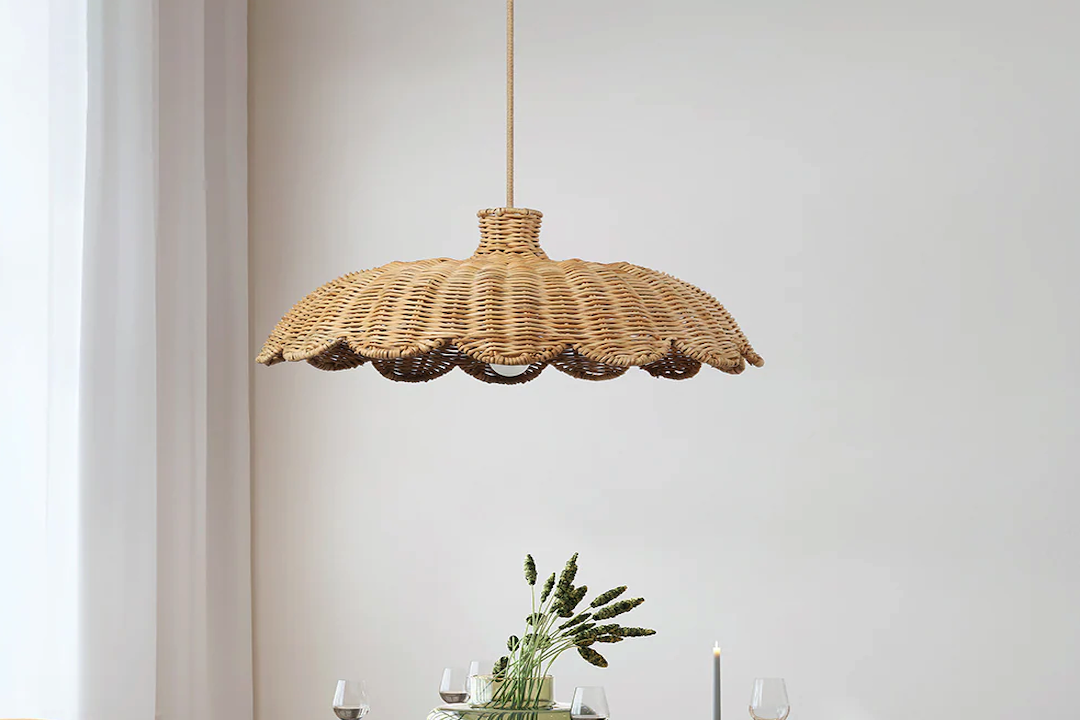
Boho Chic: Rattan Woven Hanging Lamp
Boho chic, a design aesthetic merging bohemian freedom with modern sophistication, embraces natural materials, earthy tones, and a relaxed, artisanal feel. Within this style, lighting plays a crucial role, not merely illuminating a space but contributing significantly to its overall ambiance. The rattan woven hanging lamp exemplifies this perfectly, serving as both a functional light source and a distinctive decorative element. This article will explore the characteristics, history, and applications of the rattan woven hanging lamp within the broader context of boho chic design.
Characteristics of the Rattan Woven Hanging Lamp
Rattan, a climbing palm native to tropical regions of Asia, Africa, and Australia, forms the foundational material for these lamps Hotedecor. Its inherent flexibility and durability, combined with its natural aesthetic, make it an ideal choice for artisanal and sustainable home decor.
Materiality and Construction
The primary material is rattan, specifically its stripped and processed canes. These canes are woven by hand into various patterns and shapes, creating a lampshade that allows light to filter through the gaps in the weave.
Rattan as a Sustainable Material
Rattan is a fast-growing, renewable resource. Unlike timber, its harvesting does not typically involve the destruction of entire forests, as the plants regrow readily. This sustainability aspect aligns well with the eco-conscious ethos often associated with boho chic design. The manual weaving process also contributes to a lower carbon footprint compared to mass-produced, synthetic alternatives. When considering a rattan lamp, you are, in essence, investing in a piece of furniture with a relatively benign environmental impact, a tangible connection to natural processes.
Weaving Techniques and Patterns
A diverse range of weaving techniques is employed, each contributing to the lamp’s unique texture and light diffusion. Common techniques include:
- Open Weave: Creates a more airy and transparent effect, allowing a greater amount of light to pass through. This can cast interesting shadows, akin to dappled sunlight filtering through leaves.
- Closed Weave: Offers a tighter, less transparent structure, resulting in a softer, more diffused light. This creates a warmer and more intimate glow.
- Basket Weave: A foundational technique, providing a robust and classic appearance.
- Macrame-inspired Weaves: Incorporating knotted patterns, these add a touch of intricate bohemian detailing.
- Variations in Cane Thickness: The use of both thinner and thicker rattan canes within a single lamp can add dimension and visual interest, creating subtle variations in light and shadow.
These techniques, often combined, dictate the lamp’s light dispersion and visual appeal, transitioning from a subtle glow to more pronounced light and shadow play.
Aesthetic Appeal and Versatility
The aesthetic of the rattan woven lamp is characterized by its organic shape, natural color, and textured surface. Its inherent neutrality in color, typically ranging from light beige to warm brown, allows it to integrate seamlessly into diverse color palettes.
Organic Forms and Shapes
The hand-woven nature of these lamps often results in slightly imperfect, organic forms. Spheres, ovals, bell shapes, and more abstract, sculptural designs are common. This departure from rigid, geometric perfection is a hallmark of boho chic, celebrating the beauty of natural irregularity. Think of it as a natural shell, perfectly imperfect in its form.
Light Diffusion and Ambiance
The woven structure of the rattan acts as a natural diffuser, softening the light emitted from the bulb. This creates a warm, inviting glow rather than a harsh, direct illumination. The interplay of light and shadow cast by the weave can add depth and character to a room, creating a dynamic visual experience. This diffused light is particularly effective in creating a relaxed and intimate atmosphere, conducive to comfort and calm.
Integration with Diverse Design Styles
While quintessentially boho chic, these lamps are remarkably versatile. They can complement:
- Coastal Design: Enhancing a beach-house aesthetic with natural textures and light colors.
- Scandinavian Design: Providing a warm, natural contrast to minimalist interiors.
- Mid-Century Modern: Adding a touch of organic texture to sleek lines and bold colors.
- Contemporary Interiors: Introducing a handcrafted element that softens modern hard edges.
This versatility stems from their natural material and understated elegance. They are not demanding statement pieces in the boldest sense, but rather subtle anchors of natural character.
Historical and Cultural Context
The use of woven materials for lighting fixtures has a long history across various cultures, predating electricity. These early forms often served practical purposes, protecting flames or directing light.
Traditional Craftsmanship
Prior to industrialization, weaving was a fundamental craft for producing essential items, including baskets, mats, and shelters. The techniques used in modern rattan lamp production have roots in these ancient traditions. The knowledge and skill passed down through generations are evident in the intricate patterns and durable construction of these lamps. Each lamp carries a whisper of this historical continuity, a testament to enduring human skill.
Evolution into Decorative Elements
With the advent of electricity, woven structures transitioned from primarily functional coverings for open flames to decorative elements for incandescent bulbs. The 20th century saw a resurgence of interest in natural materials and handcrafted items, particularly during periods of counter-cultural movements.
Influence of Colonial Design
During colonial periods, rattan and other exotic materials were introduced to Western markets, influencing furniture and decor. This early exposure paved the way for its later integration into broader design trends.
Mid-20th Century Revival
The mid-20th century, particularly the 1960s and 70s, witnessed a significant revival of natural materials and bohemian aesthetics. Rattan furniture and lighting became popular, embodying a relaxed, globe-trotting sensibility. This period laid much of the groundwork for the contemporary boho chic style.
Contemporary Resurgence and Boho Chic
The current popularity of boho chic design has brought rattan woven lamps back into prominence. This resurgence is fueled by a desire for:
- Authenticity and Craftsmanship: A rejection of mass-produced, impersonal items.
- Sustainability: An increased awareness of environmental impact.
- Comfort and Relaxation: A yearning for interiors that feel calm and inviting.
In essence, the rattan lamp offers a tangible connection to nature and human artistry in an increasingly digital and synthetic world. It is a quiet rebellion against the sterile, an embrace of the imperfect and the hand-hewn.
Placement and Application in Interior Design
The versatility of the rattan woven hanging lamp allows for its effective integration into various rooms and design schemes. Its primary function is to provide ambient and accent lighting, contributing to the overall mood of a space.
Living Areas
In living rooms, rattan lamps can serve as central fixtures or as supplementary lighting.
Central Lighting Fixture
A large rattan pendant lamp suspended above a coffee table or in the center of a seating area can act as a focal point, drawing the eye and grounding the space. Its diffused light contributes to a relaxed conversational atmosphere. Consider it the sun of your living space, radiating warmth and drawing all elements around it.
Accent Lighting
Smaller rattan lamps can be hung in clusters or individually in corners, providing pockets of light that highlight specific areas or create a cozy reading nook. This layering of light adds depth and interest to the room.
Dining Spaces
Above a dining table, a rattan lamp can create an inviting atmosphere for meals and gatherings.
Over Dining Table
A single large pendant or a series of smaller lamps hung in a linear fashion can illuminate the dining surface without casting harsh shadows, promoting a comfortable and intimate dining experience. The warm glow encourages lingering conversations and shared moments.
Buffet or Bar Area
Smaller rattan lamps can also be used to illuminate buffet tables or home bar areas, adding a touch of casual elegance.
Bedrooms
In bedrooms, rattan lamps contribute to a calming and serene environment.
Beside the Bed
Instead of traditional bedside lamps, smaller rattan pendants can be suspended on either side of the bed, freeing up nightstand space and adding a unique visual element. This creates a softer, less obtrusive light source for nighttime reading.
General Ambient Lighting
A larger rattan lamp in the center of the room provides gentle ambient light, contributing to a peaceful retreat. Imagine it as a soft, glowing moon in your personal sanctuary.
Other Applications
Beyond primary living spaces, rattan woven lamps can find innovative applications.
Entryways and Hallways
They can add a welcoming touch to entryways, creating a positive first impression. In hallways, they can break up long expanses and add visual interest.
Outdoor Covered Spaces
In covered patios, verandahs, or sunrooms, rattan lamps blur the lines between indoor and outdoor living, extending the boho chic aesthetic to exterior spaces. Important Note: Ensure the lamp is rated for outdoor use or is in a fully protected area to prevent weather damage.
Considerations for Selection and Maintenance
When choosing a rattan woven hanging lamp, several factors warrant consideration to ensure its longevity and suitability for your space.
Size and Proportion
The size of the lamp should be proportionate to the room and the furniture it accompanies. A lamp that is too small can be lost in a large space, while an oversized lamp can overwhelm a smaller room.
Room Dimensions
Measure the dimensions of your room to determine an appropriate lamp diameter and hanging height. A common guideline is to add the length and width of the room in feet, and that sum in inches should be the approximate diameter of the chandelier for proportionality.
Furniture Scale
Consider the scale of the furniture below the lamp. Above a dining table, the lamp should generally be narrower than the table itself.
Lighting Needs and Bulb Type
The type of bulb used will significantly impact the light quality and brightness.
Efficacy and Brightness
Consider the lumen output (brightness) required for the space. If the lamp is the primary light source, a higher lumen bulb may be necessary. For accent lighting, a lower lumen bulb is suitable.
Color Temperature
- Warm White (2700K-3000K): Creates a cozy, inviting atmosphere, ideal for living rooms and bedrooms.
- Cool White (3500K-4500K): Offers a more neutral, task-oriented light, suitable for areas requiring brighter illumination, though generally less congruent with a true boho chic aesthetic for relaxation.
Dimmability
A dimmable bulb with a compatible dimmer switch allows for adjustable ambiance, offering flexibility from bright task lighting to soft, intimate glows. This flexibility is key to truly mastering the mood of a space.
LED Bulbs
LED bulbs are recommended for their energy efficiency, longevity, and low heat emission, which is particularly beneficial for materials like rattan.
Installation Requirements
Most rattan hanging lamps require professional installation, especially if new wiring is involved.
Ceiling Support
Ensure your ceiling can support the weight of the lamp. Larger lamps can be surprisingly heavy.
Electrical Wiring
If replacing an existing fixture, verify the wiring is compatible. For new installations, an electrician will be required to run new lines.
Hanging Height
Determine the optimal hanging height, typically 30-36 inches above a dining table or 7 feet from the floor in general living spaces to avoid obstruction. This is not merely a matter of aesthetics but also of functionality; a lamp too high loses its intimacy, one too low becomes a physical hindrance.
Maintenance and Care
Rattan is a relatively durable material, but proper care will extend the life of your lamp.
Dusting
Regularly dust the lamp using a soft brush, a microfibre cloth, or a vacuum cleaner with a brush attachment to prevent dust accumulation in the weaves.
Cleaning
For more thorough cleaning, a damp cloth with mild soapy water can be used sparingly. Avoid saturating the rattan, as excessive moisture can damage the material and promote mold growth.
Avoiding Direct Sunlight and Moisture
Prolonged exposure to direct sunlight can cause rattan to fade and become brittle. High humidity or direct exposure to moisture can lead to warping or mold. Place your lamp in a protected environment.
Conclusion
The rattan woven hanging lamp is more than just a light fixture; it is an embodiment of the boho chic aesthetic. Its natural materials, artisanal craftsmanship, and ability to create a warm, inviting ambiance make it a valuable addition to a variety of interior styles. By understanding its characteristics, historical context, and practical applications, you can effectively integrate this versatile piece into your home, fostering a space that is both stylish and a testament to natural beauty. When you choose a rattan lamp, you are not merely illuminating a room, you are weaving a narrative of comfort, craft, and connection to the natural world.