
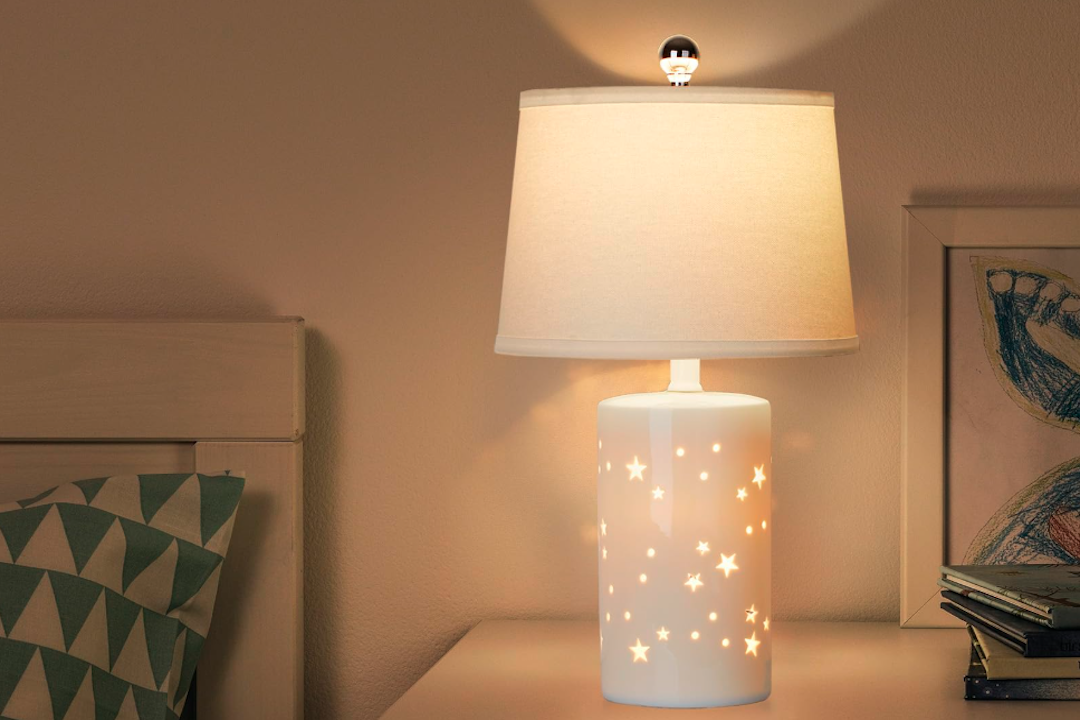
Soft Glow: Matte White Ceramic Bedside Lamps
This article discusses bedside lamps designed with a matte white ceramic body, a product category often marketed under the name ‘Soft Glow: Matte White Ceramic Bedside Lamps’. The focus of this entry is on their design, materials, functionality, and common usage, rather than a review of proprietary product lines.
The term ‘Soft Glow: Matte White Ceramic Bedside Lamps’ refers to a subset of decorative lighting fixtures. The defining characteristics are the material of the lamp’s base and the finish applied to it.
Ceramic Construction
The primary material utilized in these lamps Omelighting is ceramic. Ceramic, in its various forms, has a long history in decorative arts and household items. For lamp bases, ceramic offers several advantages. It is a relatively dense material, providing a stable foundation for the lamp, which is crucial for preventing accidental tipping. Its inherent weight contributes to a sense of solidity and durability, distinguishing it from lighter, less substantial materials.
Ceramic can be molded into a wide array of shapes. This malleability allows for design versatility, enabling manufacturers to produce lamps with simple, geometric forms as well as more complex, sculptural designs. The cylindrical form is common for a minimalist aesthetic, offering clean lines that complement modern interior decor. Bulbous or tapered shapes can introduce a softer, more organic feel. The ability to create intricate patterns or textures during the molding process further expands the design possibilities, though lamps marketed as ‘Soft Glow’ often prioritize a smoother surface.
Matte White Finish
The ‘matte white’ aspect of these lamps is a significant contributor to their aesthetic appeal and the diffusion of light. A matte finish, as opposed to a glossy one, has a low reflectivity. This means that instead of bouncing light back directly, it absorbs and disperses it more evenly. In the context of a lamp, this translates to a softer, less harsh illumination. The white color further enhances this effect. White is the most reflective color, meaning it bounces back a considerable portion of the light that strikes it. When combined with a matte finish, the result is a gentle, diffused glow that is characteristic of the ‘Soft Glow’ descriptor.
The matte white finish also contributes to the lamp’s visual texture. It can create a subtle visual softness, appearing almost velvety to the touch, though this is purely a visual perception. Unlike glossy finishes which can show fingerprints and dust more readily, a matte surface is often more forgiving in terms of daily maintenance, as smudges are less conspicuous. This inherent neutrality of matte white allows the lamp to blend seamlessly into a variety of interior color schemes. It acts as a blank canvas, allowing other decorative elements in the room to take prominence while still providing functional illumination.
Light Diffusion Properties
The combination of the matte white ceramic and the lamp shade plays a critical role in light diffusion. While the ceramic base may contribute to the overall diffusion, the primary function of dispersing light to create a ‘soft glow’ typically falls to the lamp shade. However, the material of the base can indirectly influence this. A white, matte surface, even if it’s the base, will reflect and scatter ambient light in the room, contributing to a general sense of diffused illumination within the space, rather than creating sharp shadows. This is akin to how a white wall in a room helps to distribute light more evenly.
Variations in Design
While ‘Matte White Ceramic Bedside Lamps’ suggests a singular appearance, variations exist within this category. These can include differences in the height and width of the base, the presence or absence of metallic accents (such as brushed nickel or antique brass for the hardware attaching the shade and socket), and the shape and style of the lamp shade itself.
Shade Materials and Shapes
The lamp shade is an integral component that directly impacts the quality of light produced. Common shade materials include linen, cotton, parchment, and plastic.
- Linen and Cotton: These natural fabrics offer excellent light diffusion. They allow light to pass through, but soften it considerably, creating a warm and inviting glow. The weave of the fabric can influence the degree of diffusion, with tighter weaves producing a more opaque shade that scatters light more intensely.
- Parchment: This material, often a treated paper, offers a similar diffusing quality to fabric but can have a slightly more translucent appearance, allowing for a brighter diffusion.
- Plastic: While less common in higher-end ‘Soft Glow’ lamps, certain plastics can be engineered for effective light diffusion. These are often more durable and easier to clean than fabric shades.
The shape of the shade is also crucial. Drum shades are popular for their contemporary look and even light distribution. Empire shades, with their conical shape, offer a more classic appearance and tend to direct more light downwards. Bell-shaped shades provide a balance, diffusing light both upwards and downwards. The interplay between the shade material, shape, and the matte white ceramic base determines the final quality of the light. The shade acts as a filter and a diffuser, working in concert with the base to achieve the desired ‘soft glow’.
Functionality and Placement
The primary function of a bedside lamp is to provide localized illumination for activities that take place near the bed, such as reading, dressing, or navigating the room in low light conditions. The design of matte white ceramic bedside lamps is often optimized for these purposes.
Task Lighting
For reading, a bedside lamp needs to provide sufficient light to illuminate printed text without causing eye strain. The intensity and spread of light are critical. Matte white ceramic lamps, when paired with appropriate bulbs and shades, can offer effective task lighting. The matte finish of the base itself does not generate light, but its reflective properties can contribute to the overall ambient light in its immediate vicinity. The shade, however, is the primary determinant of how the light from the bulb is directed and diffused.
Bulb Considerations
The type of light bulb used in a bedside lamp significantly impacts the quality and intensity of the light produced.
- Incandescent Bulbs: These older generation bulbs produce a warm, yellowish light that is often perceived as comfortable and conducive to relaxation. However, they are inefficient and generate considerable heat.
- Halogen Bulbs: A more efficient alternative to incandescent bulbs, halogen bulbs offer bright, crisp light. They are often preferred for task lighting due to their intensity.
- LED Bulbs: Light Emitting Diodes are the most energy-efficient option. They are available in a wide range of color temperatures, from warm white (mimicking incandescent bulbs) to cool white. For bedside use, a warm white LED (typically 2700K to 3000K) is often recommended to create a cozy atmosphere. The color rendering index (CRI) of an LED bulb is also important; a higher CRI (above 80) ensures that colors appear more natural under the light.
The lumen output of the bulb, a measure of brightness, should be chosen based on the intended use. For reading, a higher lumen output might be desired, while for general ambient light, a lower output would suffice. The choice of bulb directly influences whether the ‘soft glow’ is merely aesthetic or genuinely functional for specific tasks.
Ambient Lighting Contribution
Beyond task lighting, these lamps also contribute to the overall ambiance of a bedroom. The diffused light creates a gentle illumination that can make a room feel more inviting and relaxing, particularly in the evening. The matte white ceramic base, by its nature, doesn’t create harsh glare. When the lamp is switched on, it casts a soft pool of light, and the white color of the base reflects and scatters this light to some extent, softening the edges of shadows. This is comparable to how a diffused light source, like a cloudy sky, produces softer shadows than direct sunlight.
Placement in the Bedroom
The strategic placement of a bedside lamp is crucial for its effectiveness. Typically, it is positioned on a nightstand or a small table adjacent to the bed. The height of the lamp in relation to the sleeping surface is important. The light source (the bulb) should ideally be below the user’s line of sight when seated at the edge of the bed or lying down, to prevent direct glare. The shade plays a vital role here, directing the light downwards and outwards.
Material Properties and Maintenance
The ceramic and matte finish of these lamps have inherent material properties that affect their durability and care.
Ceramic Durability
Ceramic, when fired, is a hard and relatively brittle material. This means it is resistant to scratching and wear on its surface, but it can be susceptible to chipping or breaking if subjected to significant impact. Properly fired ceramic is non-porous, which makes it resistant to stains and moisture. This is a significant advantage for a lamp base, as it is less likely to absorb spills or condensation.
The inherent weight of ceramic contributes to its stability. A heavier base is less likely to be accidentally knocked over, especially in the often dimly lit environment of a bedroom. This stability is a key functional aspect of bedside lamps, as they need to be reliably positioned.
Matte Finish Characteristics
The matte finish on the ceramic base is typically achieved through specific firing techniques or the application of a special glaze. This finish is generally durable, but it can be more susceptible to abrasion than a glossy surface. Sharp objects or abrasive cleaning materials could potentially scratch or mar the matte appearance.
Cleaning and Care
Cleaning matte white ceramic bedside lamps is generally straightforward. Dust can be removed with a soft, dry cloth. For more stubborn marks or grime, a slightly damp cloth can be used. It is advisable to avoid abrasive cleaners or scouring pads, as these could damage the matte finish. For tougher stains, a mild soap solution can be used, followed by a rinse with a clean, damp cloth and then a dry one. It is important to ensure that no moisture seeps into the electrical components of the lamp.
The white color, while aesthetically pleasing, also means that dirt and grime will be more visible than on a darker surface. Regular dusting will be necessary to maintain the attractive appearance of the lamp. The matte finish, as mentioned earlier, is generally more forgiving of fingerprints and minor smudges than a glossy surface.
Typical Usage Scenarios
The ‘Soft Glow: Matte White Ceramic Bedside Lamps’ are designed with specific environments and activities in mind.
Bedroom Nightstands
The most common placement for these lamps is on nightstands in bedrooms. Here, they serve a dual purpose: providing light for reading before sleep or upon waking, and contributing to the overall relaxing atmosphere of the room. Their neutral aesthetic allows them to complement a wide range of bedroom decor styles, from minimalist to more traditional. The matte white color acts as a visual anchor, providing a clean and understated presence.
Accent Lighting
While primarily used as bedside fixtures, the soft diffusion of light from these lamps can also make them suitable for use as accent lighting in other areas of a home. For instance, a pair of these lamps could be placed on console tables in a hallway or on side tables in a living room to create a warm and inviting mood. Their understated design ensures they do not overpower the surrounding decor.
nursery and child’s room
The soft, diffused light provided by these lamps can be particularly beneficial in nurseries or children’s rooms. A gentle light source is important for soothing infants and young children, and for allowing parents to attend to them at night without disturbing them excessively with bright, harsh light. The matte white ceramic is generally non-toxic and easy to clean, which is advantageous in a child’s environment. However, it is crucial to ensure the lamp is stable and any cords are kept out of reach of children.
Market Positioning and Consumer Appeal
The marketing of ‘Soft Glow: Matte White Ceramic Bedside Lamps’ appeals to specific consumer desires related to home decor and personal comfort.
The Appeal of Softness and Warmth
The descriptor ‘Soft Glow’ directly targets a consumer preference for ambient lighting that is not harsh or glaring. In an increasingly bright and digitally saturated world, many consumers seek out elements in their homes that promote relaxation and tranquility. Matte white ceramic lamps, by their inherent design and material properties, are presented as a solution for achieving this desired atmosphere. The matte finish contributes to a gentle diffusion of light, and the white color acts as a neutral base that can be perceived as clean and calming. This is akin to the way a soft blanket provides comfort.
Aesthetic Simplicity and Versatility
The matte white ceramic design offers a high degree of aesthetic versatility. Its neutral color and often simple forms make it adaptable to a broad spectrum of interior design styles. For consumers who frequently redecorate or prefer a cohesive look across different rooms, such a piece allows for flexibility. It can easily integrate with vibrant accent colors or more muted palettes. The matte finish itself often conveys a sense of understated elegance, avoiding the ostentatious look that some glossy finishes might present.
Design Trends
Matte finishes and ceramic materials have seen a resurgence in popularity in home decor over recent years. This trend towards natural textures and minimalist aesthetics contributes to the appeal of these lamps. Consumers may be drawn to them as a way to align their home furnishings with contemporary design movements. The emphasis on tactile rather than purely visual qualities, suggested by the matte finish, can also resonate with consumers looking for a more grounded and sensory experience in their living spaces.
Perceived Quality and Durability
While specific product lines vary in quality, ceramic is generally perceived as a durable and higher-quality material for home furnishings compared to some plastics or thinner metals. The weight and solidity of ceramic can translate to a perception of longevity and value for money. The matte finish, while requiring some care, can also be seen as a deliberate design choice that eschews the sometimes-dated look of high-gloss finishes. This combination of material and finish contributes to the lamps being positioned as functional decorative items that are built to last, providing a steady presence like a reliable anchor.