Art Deco Dome Table Lamp: A Timeless Statement Piece
Art Deco emerged in the early 20th century during a period of significant social and technological transformation. The movement developed in France before World War I and gained prominence throughout the 1920s and 1930s. It represented a deliberate departure from the ornate aesthetics of Art Nouveau, which featured organic forms and elaborate details.
Art Deco instead championed modernism, celebrating industrial advancement and the innovative materials and technologies of the era. The movement’s name derives from the 1925 Exposition Internationale des Arts Décoratifs et Industriels Modernes in Paris, an exhibition that displayed contemporary trends in decorative and industrial design. Art Deco drew from diverse cultural and artistic sources, incorporating ancient Egyptian motifs, Aztec patterns, and the geometric forms of modern machinery.
This stylistic synthesis reflected an increasingly globalized world with enhanced international connectivity. The economic prosperity and cultural dynamism of the 1920s—characterized by jazz, changing social customs, and consumer confidence—created ideal conditions for Art Deco’s expansion. Notable examples of the movement include the Chrysler Building in New York City and the Palais de Tokyo in Paris, both featuring the distinctive bold geometric compositions and ornamental richness associated with the period.
As economic conditions deteriorated during the Great Depression, Art Deco continued to develop and adapt to shifting social circumstances while preserving its fundamental emphasis on elegance and contemporary design.
Characteristics of Art Deco Style
Art Deco is distinguished by its bold geometric shapes, vibrant colors, and luxurious materials. The style often features symmetrical designs and streamlined forms that convey a sense of movement and dynamism. One of the hallmark characteristics of Art Deco is its use of chevrons, zigzags, and sunburst motifs, which evoke a sense of energy and optimism.
These patterns were often employed in architecture, furniture design, textiles, and decorative arts, creating a cohesive aesthetic that permeated various aspects of life during the era. In addition to its visual elements, Art Deco is also known for its emphasis on craftsmanship and quality. The movement celebrated artisanal techniques while embracing industrial production methods.
This duality allowed for the creation of both unique handcrafted pieces and mass-produced items that maintained a high standard of design. Materials such as chrome, glass, and exotic woods were commonly used, often combined with luxurious fabrics like silk and velvet. The interplay of these materials contributed to the opulent feel of Art Deco interiors, where glamour and sophistication were paramount.
The Significance of the Dome Table Lamp in Art Deco
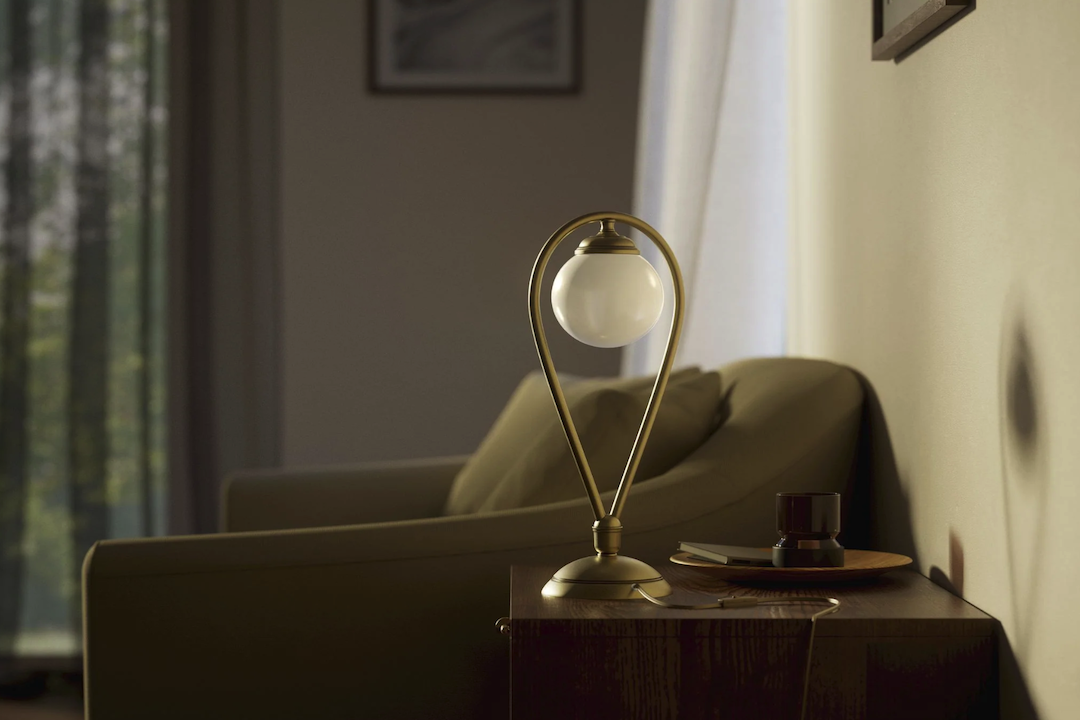
The dome table lamp Muzzhome is an iconic representation of Art Deco design, encapsulating many of the movement’s defining characteristics. Its elegant silhouette often features a curved dome shade that casts a warm glow, creating an inviting atmosphere in any space. The lamp’s design typically incorporates geometric patterns or stylized motifs that reflect the broader aesthetic principles of Art Deco.
As a functional object, it serves not only as a source of light but also as a statement piece that enhances the overall decor. Beyond its aesthetic appeal, the dome table lamp holds cultural significance within the Art Deco movement. It symbolizes the era’s embrace of modernity and innovation while also reflecting a sense of nostalgia for craftsmanship.
Many lamps from this period were designed by renowned artists and designers who sought to elevate everyday objects into works of art. The dome table lamp thus represents a convergence of form and function, embodying the spirit of an age that celebrated both technological advancement and artistic expression.
Materials and Construction of the Art Deco Dome Table Lamp
The construction of an Art Deco dome table lamp often involves a careful selection of materials that contribute to its distinctive look and feel. Commonly used materials include glass, metal, and wood, each chosen for its aesthetic qualities as well as its durability. Glass shades are particularly popular in dome lamps, often featuring intricate patterns or vibrant colors that enhance the play of light.
Techniques such as acid etching or sandblasting were frequently employed to create textured surfaces that refract light beautifully. Metal components are typically crafted from materials like brass or chrome, which add a touch of elegance and sophistication to the lamp’s design. These metals can be polished to a high shine or finished with patinas to achieve different visual effects.
The base of the lamp is often made from heavier materials to provide stability and prevent tipping. Wood may also be incorporated into the design, with exotic species like mahogany or walnut lending warmth and richness to the overall aesthetic. The combination of these materials not only showcases the craftsmanship involved but also reflects the luxurious nature of Art Deco design.
How to Incorporate the Dome Table Lamp into Your Home Decor
Incorporating an Art Deco dome table lamp into your home decor can elevate your space by adding a touch of elegance and sophistication. One effective approach is to place the lamp on a side table or console in a living room or entryway, where it can serve as both a functional light source and a striking focal point. When selecting a location for your lamp, consider how its design complements other elements in the room—such as furniture styles, color palettes, and decorative accessories—to create a harmonious look.
Another way to integrate an Art Deco dome table lamp is by using it as part of a layered lighting scheme. Pairing it with other light sources—such as floor lamps or wall sconces—can create depth and dimension within your space. Additionally, consider using multiple lamps throughout a room to establish a cohesive theme while providing adequate illumination for various activities.
For instance, placing matching dome lamps on either side of a sofa can create balance while enhancing the overall aesthetic appeal.
The Timelessness of Art Deco Design
Art Deco design has proven to be remarkably timeless, continuing to resonate with contemporary audiences nearly a century after its inception. Its blend of elegance and modernity appeals to those who appreciate both historical significance and innovative aesthetics. The clean lines and geometric forms associated with Art Deco have influenced countless design movements since its heyday, making it a lasting source of inspiration for architects, interior designers, and artists alike.
The enduring popularity of Art Deco can also be attributed to its versatility; it can be seamlessly integrated into various design styles—from traditional to minimalist—allowing it to adapt to changing tastes over time. This adaptability is evident in modern interpretations of Art Deco elements found in furniture design, textiles, and even graphic arts. As people seek to create spaces that reflect their personal style while honoring historical influences, Art Deco remains a relevant choice that embodies both sophistication and creativity.
Where to Find Authentic Art Deco Dome Table Lamps
Finding authentic Art Deco dome table lamps requires some diligence but can be an exciting journey for collectors and enthusiasts alike. Antique shops and vintage markets are excellent places to start your search; these venues often feature unique pieces with rich histories that add character to any collection. Additionally, specialized auction houses frequently host sales dedicated to 20th-century design, where you may discover rare finds from renowned designers.
Online platforms have also become valuable resources for sourcing authentic Art Deco lamps. Websites such as 1stDibs or Chairish curate collections from reputable dealers specializing in vintage and antique items. When purchasing online, it’s essential to verify the authenticity of the piece by reviewing detailed descriptions and images while also checking seller ratings and reviews.
Engaging with knowledgeable dealers can provide insights into the lamp’s provenance and craftsmanship, ensuring you make an informed purchase.
Caring for and Maintaining Your Art Deco Dome Table Lamp
Proper care and maintenance are crucial for preserving the beauty and functionality of your Art Deco dome table lamp over time. Regular dusting with a soft cloth can help prevent buildup on both the shade and base; this simple practice keeps your lamp looking pristine while allowing it to shine brightly in your space. For glass shades with intricate designs or textures, using a gentle glass cleaner can enhance clarity without damaging delicate surfaces.
When it comes to electrical components, it’s essential to ensure that your lamp is functioning safely. Periodically check for frayed cords or loose connections; if any issues arise, consult a qualified electrician for repairs rather than attempting DIY fixes that could compromise safety. Additionally, consider using energy-efficient bulbs that provide ample light while minimizing heat output—this not only extends the life of your lamp but also contributes to energy conservation efforts.
By taking these steps to care for your Art Deco dome table lamp, you can enjoy its beauty for years to come while preserving its historical significance.