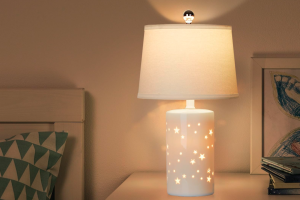

Create a Soft Bedroom Glow with LED Ceiling Mount Lights
Creating a Soft Bedroom Glow with LED Ceiling Mount Lights
This article provides information on using LED ceiling mount lights to achieve a soft ambiance in a bedroom. It discusses the benefits of LED technology, the various types of ceiling mount fixtures suitable for bedrooms, and considerations for installation and customization.
LEDs (Light Emitting Diodes) represent a significant advancement in lighting technology. Unlike incandescent bulbs, which produce light Muzzhome by heating a filament, LEDs utilize semiconductor materials to convert electricity directly into light. This fundamental difference results in several advantages relevant to bedroom lighting, primarily their energy efficiency and longevity.
Energy Efficiency of LEDs
LEDs consume considerably less energy than traditional lighting sources. For instance, an LED bulb can produce the same amount of light (measured in lumens) as an incandescent bulb using a fraction of the wattage. This translates to reduced electricity bills, a tangible benefit for any household. In the context of a bedroom, where lights might be on for extended periods for reading or relaxation, the energy savings become more pronounced. The reduced energy consumption also has a broader environmental implication, contributing to a lower carbon footprint.
Longevity and Durability
The lifespan of LED bulbs is a marked improvement over older technologies. While incandescent bulbs typically last around 1,000 hours, LEDs can last for 25,000 to 50,000 hours or more. This extended lifespan means fewer bulb replacements, saving both time and money over the product’s lifetime. For ceiling mount fixtures, which are often installed in hard-to-reach places, the reduced need for replacement is a practical advantage. Furthermore, LEDs are generally more robust and less prone to damage from vibrations or minor impacts compared to the fragile filaments of incandescent bulbs.
Color Rendering and Temperature
LEDs offer a wide spectrum of color rendering capabilities and color temperatures. Color Rendering Index (CRI) measures how accurately a light source reveals the true colors of objects. A higher CRI (closer to 100) means colors will appear more natural and vibrant. For bedroom lighting, a high CRI is desirable to ensure furnishings, decor, and even skin tones appear as intended.
Color temperature, measured in Kelvin (K), dictates the perceived warmth or coolness of the light. Lower Kelvin values (e.g., 2700K-3000K) produce a warm, yellowish light, often described as “soft white” or “cozy.” Higher Kelvin values (e.g., 4000K-6500K) produce cooler, bluer light, similar to daylight. For a soft, relaxing bedroom glow, warmer color temperatures are generally preferred. However, adjustable color temperature LEDs, also known as tunable white or dim-to-warm technology, allow for a range of color temperatures to be selected, offering greater versatility.
Dimming Capabilities
Many LED ceiling mount lights are dimmable, a crucial feature for creating a soft bedroom ambiance. Dimming allows users to adjust the light intensity, transitioning from brighter light for tasks like dressing or cleaning to a much lower level for relaxation or sleep. It is important to ensure that the LED fixture and the dimmer switch are compatible; not all LED lights can be dimmed, and using an incompatible dimmer can lead to flickering, buzzing, or premature failure of the LED.
Choosing the Right LED Ceiling Mount Fixture for a Soft Glow
Selecting the appropriate LED ceiling mount fixture is fundamental to achieving the desired soft bedroom glow. The design of the fixture, including its shape, material, and diffusion method, plays a significant role in how light is distributed and perceived.
Recessed Lighting (Pot Lights)
Recessed lighting, often referred to as pot lights or can lights, involves fixtures installed within the ceiling structure. When used with appropriate diffusers and lower wattage LEDs, recessed lighting can provide a subtle, ambient wash of light. The key for a soft glow is to avoid direct glare.
Types of Recessed Fixtures
- Standard Recessed Cans: These are the most common type. For a softer effect, consider using baffle trims, which have a ribbed interior to reduce glare, or trims with frosted glass or plastic lenses. The size and spacing of the recessed fixtures are also critical. Too many widely spaced fixtures can create a stark, uneven light. A more subtle approach involves using fewer, larger fixtures or strategically placing smaller ones to create pools of light rather than uniform coverage.
- Gimbal or Swivel Recessed Lights: While often used for accent lighting, gimbals can be angled to direct light towards walls or away from the primary sleeping area, reducing direct illumination and contributing to a softer atmosphere.
Beam Spread and Angle
The beam spread of a recessed light refers to the width of the light cone it emits. Narrower beam spreads are more focused and can create pools of light, while wider beam spreads are better for general illumination. For a soft glow, wider beam spreads, particularly when combined with diffusion, are preferable. The angle of the beam also matters; aiming lights downwards without any diffusion can create harsh shadows.
Surface-Mounted Fixtures
Surface-mounted fixtures are attached directly to the ceiling surface. They come in a wide variety of styles and are often more decorative than recessed lights. Many surface-mounted fixtures are designed with diffusers that spread light evenly, making them excellent candidates for creating a soft glow.
Flush Mount Lights
Flush mount lights sit directly against the ceiling, offering a clean, unobtrusive look. Many flush mount designs incorporate frosted or opal glass shades that effectively diffuse the light, softening it and preventing harsh shadows. These are a popular and practical choice for bedrooms.
Decorative Flush Mounts
Beyond basic functionality, flush mount lights can also serve as decorative elements. Styles range from modern minimalist designs to more ornate finishes. The key is to select a fixture where the light source is adequately diffused. A tightly enclosed fixture with a thin, clear glass shade might still produce glare, whereas one with a thick, frosted acrylic or glass diffuser will soften the output.
Semi-Recessed or Dome Lights
These fixtures project slightly from the ceiling and often feature a larger dome-shaped shade, typically made of glass or acrylic. The curvature of the dome helps to spread and diffuse the light over a wider area, promoting an even and soft illumination.
Pendant Lights and Chandeliers (as Ambient Sources)
While often considered task or decorative lighting, some smaller, generously diffused pendant lights or minimalist chandeliers can contribute to ambient bedroom lighting, especially when positioned away from the immediate sleeping area. The key is selecting designs with large, opaque or frosted shades that scatter light rather than emit a direct beam.
Minimalist Pendants
A single, large pendant with a fabric or frosted glass shade hung in a corner of the room not directly above the bed can provide a gentle accent light. The goal is not to illuminate the entire room but to add a soft, secondary source of light.
Track Lighting (Strategically Used)
Track lighting systems offer flexibility, but their inherent design of exposed bulbs and direct light can be challenging for creating a soft glow. However, with the right application, it can be used.
Diffused Heads or Accent Placement
If track lighting is considered, opt for fixtures with integrated diffusers or shades that soften the light. More importantly, use track lighting sparingly and strategically. Instead of illuminating the center of the room, consider mounting a track along a wall and directing the lights upwards to bounce off the ceiling, creating indirect illumination. This technique, often referred to as uplighting, is highly effective in softening light.
Achieving a Soft Glow: Key Design Elements and Considerations
Beyond the type of fixture, several design elements and installation considerations are crucial for transforming bright, potentially harsh illumination into a soft, inviting bedroom glow. The goal is to mimic the gentle diffusion of natural light.
Diffuser Materials and Types
The material through which light passes from the LED emitter to the room is paramount. Diffusers scatter light, reducing its intensity and eliminating direct glare.
Frosted Glass
Frosted glass has a milky, opaque appearance that effectively softens light. The degree of frosting can vary, with denser frosting providing more diffusion. It’s a classic choice for creating a gentle ambiance.
Opal Acrylic
Opal acrylic is a popular and often more affordable alternative to frosted glass. It also provides excellent diffusion, offering a uniform and soft light output. Its lightweight nature can also be advantageous for larger fixtures.
Fabric Shades
Fabric shades, often found on pendant lights or some surface-mounted fixtures, diffuse light beautifully, creating a warm and cozy atmosphere. The thickness and weave of the fabric will influence the degree of diffusion. Thicker, tightly woven fabrics will provide more diffusion.
Baffle Trims
In recessed lighting, baffled trims are designed with internal grooves that absorb stray light and reduce glare. This creates a softer appearance of the light source itself.
Light Color Temperature (Kelvin)
As mentioned previously, the color temperature is a critical factor. For a soft, relaxing bedroom glow, aim for LED lights in the warm white range.
Warm White (2700K – 3000K)
This range mimics the light of traditional incandescent bulbs, offering a comforting and cozy feel. It’s ideal for creating a tranquil environment conducive to sleep and relaxation.
Neutral White (3500K – 4000K)
While slightly cooler, neutral white can still create a pleasant ambiance if diffused well. It offers a good balance for general tasks while remaining comfortable. It’s often used for kitchens or living rooms, but can work in bedrooms with careful application.
Cool White (5000K – 6500K)
Cool white light is typically too stark and blue-toned for a soft, relaxing bedroom glow. It’s better suited for task lighting or areas where a bright, stimulating light is desired.
Light Intensity (Lumens and Dimming)
The total amount of light emitted, measured in lumens, needs to be appropriate for the room size and desired atmosphere. Crucially, the ability to dim the lights allows for fine-tuning the intensity.
Lumen Output Considerations
A typical bedroom might require between 10-20 lumens per square foot for general illumination. However, to create a soft glow, you will likely want to utilize fixtures with lower lumen output for dominant lighting or ensure your primary fixtures are dimmable to a very low setting. It’s often better to have multiple, lower-lumen fixtures that can be dimmed than one extremely bright fixture.
The Power of Dimming
Dimmer switches are indispensable tools for creating layered lighting and adjusting ambiance. A good dimmer allows you to set the mood for reading, watching a movie, or winding down before sleep. Look for dimmers specifically designed for LED compatibility to avoid issues like flickering or buzzing. Smart dimmer switches and compatible smart LED fixtures offer even greater control, allowing for pre-set scenes and remote adjustments via smartphone apps.
Light Distribution and Placement
How light is spread across the room and where your ceiling fixtures are located significantly impacts the perception of softness.
Indirect Lighting Techniques
Indirect lighting involves bouncing light off surfaces, such as walls or the ceiling, rather than shining it directly into the room. This is highly effective for creating a soft, diffuse glow.
Uplighting
Uplighting, as mentioned with track lighting, involves directing light upwards towards the ceiling. The light then reflects down, creating a gentle, shadowless illumination. This can be achieved with specific types of wall-mounted fixtures or by angling certain ceiling-mounted fixtures.
Cove Lighting
Cove lighting involves concealing LED strips or small fixtures within a recess or “cove” along the ceiling or upper walls. The light is then directed upwards and outwards, creating a soft, ambient glow that washes down the walls and into the room. This is one of the most effective ways to create a truly soft and diffused light source.
Layered Lighting Approach
Creating a soft bedroom glow is rarely achieved with a single light source. A layered lighting approach combines different types of fixtures and light levels.
Ambient Lighting
This is the general illumination of the room, which in a soft bedroom glow, should be diffused and at a lower intensity or dimmable.
Task Lighting
This includes lights for specific activities, such as reading lamps or vanity lights. These should be focused and brighter where needed but can be turned off when not in use.
Accent Lighting
Accent lights highlight specific features, such as artwork or architectural details. These can add depth and visual interest without contributing to overall glare.
Avoiding Glare
Glare is the enemy of a soft glow. Direct, unshielded light sources will create harsh shadows and eye discomfort.
Shielding Light Sources
Ensure that all light sources are adequately shielded by diffusers, shades, or trims. Avoid exposed bulbs, especially those with high lumen output.
Strategic Fixture Placement
Consider where the light will land. Placing fixtures so they don’t shine directly into the eyes of someone lying in bed is paramount. Angling lights towards walls or using indirect methods can help achieve this.
Installation and Practical Implementation
The successful creation of a soft bedroom glow with LED ceiling mount lights hinges significantly on proper installation and thoughtful practical implementation. This involves not only selecting the right fixtures but also understanding how they integrate into the room’s electrical system and overall design.
Professional vs. DIY Installation
For most ceiling mount light installations, especially those involving new wiring or modifications to existing circuits, professional installation by a qualified electrician is recommended. This ensures safety, compliance with electrical codes, and the correct integration of dimmers and other control systems.
When to Hire an Electrician
- New Wiring: If you are installing fixtures in a room without existing ceiling wiring or planning to add new circuits.
- Complex Dimmer Systems: Integrating smart lighting systems or more advanced dimmer switches can require specialized knowledge.
- Building Code Compliance: Ensuring all work meets local electrical codes is crucial for safety and future home inspections.
- Unfamiliarity with Electrical Work: If you are not comfortable or experienced with electrical wiring, it is always safer to hire a professional.
DIY Considerations
- Replacing Existing Fixtures: If you are simply replacing an existing ceiling light with a similar type and the wiring is already in place and in good condition, a DIY installation might be feasible for someone with basic electrical knowledge.
- Understanding Wiring Diagrams: Before attempting any DIY electrical work, thoroughly understand wiring diagrams and safety precautions.
- Turn Off Power: Always, without exception, turn off the power to the circuit at the breaker box before starting any work.
Wiring and Circuit Considerations
The electrical circuit supplying the lights needs to be adequate for the load.
Load Capacity
Ensure the circuit can handle the combined wattage of your LED fixtures. LEDs are efficient, but if you are installing many fixtures or high-output ones, it’s essential to confirm they won’t overload the circuit. An electrician can assess this.
Dedicated Circuits
For more elaborate lighting designs or if you plan to have numerous fixtures controlled by a single dimmer, consider having a dedicated circuit for your bedroom lighting. This prevents the lights from flickering or dimming unexpectedly when other high-draw appliances on the same circuit are used.
Integrating Dimmer Switches
The correct dimmer switch is as important as the light fixture itself for achieving a soft glow.
LED-Compatible Dimmers
Not all dimmers work with LEDs. Using a standard incandescent dimmer can lead to flickering, buzzing, or premature failure of LED bulbs. Look for dimmers specifically labeled as compatible with LED lights. These often use different dimming technologies (e.g., ELV – Electronic Low Voltage, MLV – Magnetic Low Voltage, or universal LED dimmers).
Smart Dimmer Switches
Smart dimmers offer advanced control, including app-based control, voice commands (with compatible smart home systems), and the ability to program lighting scenes. This allows for effortless customization of the bedroom ambiance.
Placement and Layout Planning
Thoughtful planning of fixture placement is key to avoiding harshness and creating a balanced, soft illumination.
Avoid Direct Overhead Lighting Above the Bed
While some ambient light is necessary, placing a single, bright fixture directly above the sleeping area can create discomfort. If using recessed lights, consider placing them further out from the center, or using fixtures with very wide beam spreads and excellent diffusion.
Utilizing Wall Washers
Some LED ceiling mount fixtures are designed as wall washers, meaning they have a specialized lens that directs light downwards in a more even, cascading pattern along the wall. This is an excellent technique for illuminating walls and indirectly lighting the room with a soft effect.
Zoning Light
Creating different lighting zones within the bedroom allows for greater control over ambiance. For example, one zone for general ambient light, another for a bedside reading lamp, and perhaps a third for a subtle accent light. Ceiling mount fixtures can contribute to the ambient zone, with task and accent lighting potentially coming from other sources.
Maintenance and Longevity
LED ceiling mount lights, due to their long lifespan and energy efficiency, require minimal maintenance.
Cleaning Diffusers
Periodically, dust and grime can accumulate on diffuser shades, slightly reducing light output. Gently wipe them down with a soft, damp cloth. Avoid abrasive cleaners that could scratch or damage the material.
Bulb Replacement (Infrequent)
As noted, LED bulbs have a very long lifespan. Replacement will be infrequent, and often the entire fixture is replaced before an LED fails, especially in integrated LED fixtures where the LED module is not user-replaceable.
Advanced Techniques for Creating Ambiance
Beyond basic fixture selection and installation, several advanced techniques can elevate the soft glow of your bedroom lighting to a truly customized and inviting experience. These methods involve more nuanced control and integration of light into the room’s design.
Smart Lighting Systems Integration
Modern smart lighting systems offer unprecedented control over bedroom illumination.
Tunable White LEDs
Tunable white LEDs allow you to adjust the color temperature of the light throughout the day. You can set a cooler, brighter light in the morning for waking up and a warmer, dimmer light in the evening for winding down. This mimics natural light cycles and can significantly improve sleep hygiene and overall well-being.
Color-Changing LEDs (RGBW)
While not always necessary for a “soft glow,” RGBW (Red, Green, Blue, White) LEDs offer the ability to introduce subtle hues. For a bedroom, this can be used sparingly to create calming moods, such as a very soft, warm amber for ultimate relaxation. The “W” (White) component is crucial for general illumination and achieving true white light when needed.
Scene Setting and Automation
Smart lighting systems allow you to create and save custom lighting “scenes.” For example, you might have a “Reading” scene with focused light, a “Relax” scene with dim, warm light, and a “Sleep” scene with the lights almost completely off. These scenes can be activated with a tap on a smartphone, a voice command, or even scheduled to turn on and off automatically at specific times.
Layering Light for Depth and Dimension
A truly soft and inviting ambiance is rarely achieved with a single layer of light. Layering different types of lighting adds depth and visual interest to the room.
Combining Ceiling and Wall Lighting
While this article focuses on ceiling mount lights, consider how they can work in conjunction with wall lights. Wall sconces or strip lighting can provide excellent indirect illumination, washing walls with a gentle light that complements the primary ceiling-mounted ambient lighting.
Integrating Task and Accent Lighting
Ensure that the ambient glow from the ceiling doesn’t inhibit necessary task lighting. Bedside lamps or floor lamps should provide sufficient illumination for reading without creating harshness. Accent lighting can highlight artwork or architectural features, adding visual intrigue without contributing to overall brightness.
The Role of Light Reflectivity in the Room
The surfaces within your bedroom play a significant role in how light behaves.
Matte vs. Glossy Surfaces
Matte surfaces absorb more light, helping to diffuse any residual glare and creating a softer overall appearance. Glossy surfaces reflect light, which can sometimes exacerbate glare. Consider matte finishes for walls and ceilings where possible, especially in conjunction with your lighting choices.
Color Palette
Lighter, neutral colors on walls and ceilings will reflect light more effectively, helping to distribute it evenly and create a brighter, yet still soft, ambiance. Darker colors will absorb more light, requiring more powerful fixtures or a greater number of lights to achieve the same level of illumination.
Considering Furniture Placement and Light Interaction
Think about how your furniture will interact with the light from the ceiling.
Avoiding Light Spoilage
Ensure that large furniture items, like tall wardrobes or headboards, do not block or cast harsh shadows from your main ambient lighting sources. Strategic placement of ceiling fixtures can mitigate this.
Using Light to Define Zones
Even within the ambient ceiling lighting, clever placement can help subtly define different areas of the room, such as the sleeping area versus a dressing or sitting area.
The Importance of a “Warm” Feel
Ultimately, a soft bedroom glow is about creating a feeling of warmth and comfort.
The Psychological Impact of Light
Warm light has a psychologically calming effect, promoting relaxation and reducing stress. This is why warmer color temperatures are so crucial for bedroom environments.
Mimicking Natural Light
The most pleasing light sources often mimic natural phenomena. The gentle diffusion of daylight through a window or the soft glow of moonlight are natural examples of light that promotes tranquility. While artificial light cannot perfectly replicate these, well-chosen LED ceiling mount lights with appropriate diffusers and color temperatures can come remarkably close to achieving a similar calming effect.
Benefits and Applications of a Soft Bedroom Glow
The implementation of soft LED ceiling mount lighting in a bedroom extends beyond mere aesthetics; it offers tangible benefits for comfort, well-being, and energy management.
Enhancing Relaxation and Sleep Quality
The primary benefit of a soft bedroom glow is its ability to promote relaxation. Harsh, bright lighting can be stimulating and interfere with the body’s natural sleep-wake cycle (circadian rhythm).
Reduced Blue Light Exposure
Warmer color temperatures emit less blue light, which is known to suppress melatonin production, a hormone essential for sleep. By opting for warm-toned LEDs, especially in the hours before bedtime, you can create an environment more conducive to winding down and preparing for restful sleep.
Creating a Tranquil Atmosphere
A soft, diffused light reduces visual stimulation, making the bedroom feel more like a sanctuary. This ambiance can help to de-stress after a long day, encouraging a sense of peace and quietude that is vital for optimal sleep and overall mental well-being.
Improving Room Aesthetics and Ambiance
Beyond its functional benefits, soft lighting significantly enhances the visual appeal of a bedroom.
Softening Features and Decor
A soft glow can gently illuminate the room’s features, such as textured walls, artwork, or furnishings, without creating harsh shadows or highlighting imperfections. This creates a more harmonious and inviting atmosphere.
Creating a Sense of Warmth and Coziness
The inherent warmth of lower color temperature LEDs, combined with diffusion, imbues the bedroom with a cozy, inviting feeling. This makes the space more comfortable and appealing for activities like reading, resting, or spending quiet time. The light becomes a gentle embrace rather than a stark spotlight.
Energy Savings and Sustainability
As discussed earlier, the energy efficiency of LEDs translates into significant cost savings and environmental benefits.
Reduced Electricity Consumption
Compared to incandescent or halogen lighting, LEDs consume a fraction of the energy to produce the same amount of light. This reduction in electricity usage directly lowers utility bills.
Extended Lifespan and Reduced Waste
The exceptionally long lifespan of LED bulbs means fewer replacements are needed over time. This not only saves money and the inconvenience of frequent bulb changes but also contributes to reducing landfill waste associated with discarded bulbs.
Versatility and Customization
Modern LED ceiling mount lights offer a high degree of versatility and customization, allowing homeowners to tailor their lighting to specific needs.
Dimmable Control for Mood Setting
The ability to dim LED lights provides granular control over light intensity, allowing for the creation of different moods for various activities. From a brighter light for getting dressed to a very low, dim glow for relaxation, dimming offers unparalleled flexibility.
Adjustable Color Temperature Options
Tunable white LEDs offer the ability to adjust the color temperature, allowing users to switch between warmer and cooler light tones. This adaptability ensures the lighting can suit different times of day, preferences, and activities.
Specific Applications and Considerations
While this article focuses on bedrooms, the principles of creating soft ambient light with LED ceiling mounts can be applied elsewhere.
Children’s Bedrooms
Soft lighting in a child’s bedroom can create a calming environment, aiding in bedtime routines and providing a sense of security. Using dimmable, warm-toned LEDs is particularly beneficial here.
Guest Bedrooms
Ensuring a guest bedroom has comfortable and inviting lighting is a sign of thoughtful hospitality. Soft ambient lighting makes guests feel more at ease and welcome.
Small or Cozy Spaces
In smaller rooms, soft, diffused lighting can make the space feel larger and more open by avoiding the harsh shadows that can make a room feel cramped. It creates an illusion of more depth and airiness.
The Role of Controls in Ambient Lighting
The interface through which you control your lighting plays a role in the user experience and the effectiveness of achieving a soft glow.
Simple Dimmer Switches
A well-placed, user-friendly dimmer switch is the most straightforward way to adjust ambient light levels.
Smart Home Integration
For those who embrace smart home technology, integrating LED ceiling mounts into a broader system offers advanced scheduling, scene creation, and remote control capabilities, maximizing the potential for personalized ambient lighting. This allows for effortless transitions between different lighting moods without needing to physically interact with switches.
By understanding the technology, design principles, and practical implementation methods, you can transform your bedroom into a tranquil haven with the gentle illumination of LED ceiling mount lights. The focus remains on creating an environment that supports rest, relaxation, and overall well-being.